





When Your “Waterproof” Rifle Case Starts Lying to You
A waterproof rifle case should be the one thing you do not have to worry about when the sky opens up. You are focused on the ridge in front of you, the wind in your face, and the shot that might only come once. If your case fails in that moment, the damage often shows up later, back at camp or at home, when it is already too late.
Many shooters learn their case is failing only after a long, wet day in elk country or a soggy early-season whitetail sit. The case rides in the back of the truck, takes some rain, maybe a creek crossing, and seems fine. Then the lid comes open and there it is: fogged optics, damp foam, maybe a hint of surface rust on a screw head. That is more than an annoyance. It is a risk to your hunt, your range time, and even your home-defense readiness. Here is how to spot the early warning signs so you can fix the problem before it ruins something that matters.
Subtle Exterior Clues Your Case Is Losing Its Seal
Most rifle cases do not fail all at once. They slowly lose their seal, one hard knock at a time. The outside of the case usually tells the story first if we know what to look for.
Watch for these issues on the shell and hardware:
- Cracked or chipped corners from drops or airline belts
- A lid that looks twisted or does not sit flat all the way around
- Hinges with visible gaps, bent pins, or extra flex when you open the case
- Deep dents from truck beds, gear piles, or ATV racks
Any one of those can stop the lid from seating the way the maker intended. If the lid cannot sit flat, water will find its way in, even on a case that was once rock solid.
The gasket and latches are next. These small parts do big work, and they wear out faster than the shell.
Red flags to watch for:
- Gasket that feels dry, cracked, or shiny and flattened instead of soft and springy
- Sections of gasket pulling away from the channel, or small splits at the corners
- Latches that close with no resistance, or suddenly need a lot more force
- Latches that do not line up quite right with their catch points
Season changes can speed all this up. Cool dawns, warm afternoons, and long rides in a hot truck make plastic and rubber expand and contract over and over. If you hunt or shoot much in shoulder season weather, a careful preseason inspection is one of the smartest habits you can build.
Interior Warning Signs That Moisture Is Sneaking In
If the outside looks rough, the inside often confirms what is really going on. Moisture inside a waterproof rifle case is never normal. Even “just a little damp” means the seal has already lost the fight.
The first clue is often your nose. When you open the case, do you get:
- A damp, basement-like smell
- A sharp chemical odor that was not there when the case was new
- Any hint of mildew or stale air
Then check for condensation. Light fog on the inside of the lid, or scope glass that mists over every time you pop the case after a wet day, is a bad sign. That means moisture is sneaking in and staying trapped. Humid air plus tight space is hard on glass and coatings.
Metal never lies either. Tiny orange specks on:
- Scope screws
- Sling swivels
- Rail sections
- Bore guide or small tools you store with the rifle
are early rust, and that is your warning shot. Even small freckles can grow into pitting if the case keeps pulling in moisture.
Foam tells its own story. When foam breaks down, it often:
- Crumbles or leaves dust on the rifle
- Stays permanently crushed under the weight of the gun
- Shows dark, blotchy stains where moisture sat
- Carries a clear mildew or mold smell
At that point, protection is compromised. The rifle can shift more in transit, and mold spores can ride home with your gear. In warm early-season conditions, that gets worse in a hurry.
Field-Use Failures That Prove Your Case Is Compromised
Some problems only show up when you are out in real weather and rough ground. A trustworthy waterproof rifle case should be boring. It should shrug off rain, wet grass, and damp truck beds with no drama.
If you open the case after a storm or river crossing and find:
- Water beads on the inside surface
- Damp patches in the foam or around the latches
- A visible water line on the interior shell
the case has failed its main job. It might still look tough on the outside, but it is not keeping your rifle safe.
Impact is another big test. Hunting and range days mean bumps, drops, and tight corners in vehicles. Warning signs here include:
- Latches that pop open when the case tips over or gets bumped
- A lid that springs open easier than it used to
- The sound of your rifle shifting or thudding inside when you move the case
Travel makes things even harder. Flights and big elevation changes can pull the lid in or push it out. If you notice sudden trouble opening the case, new cracks after baggage handling, or a lid that looks sucked in on one side, that case has taken more stress than it can handle.
How Modern Waterproof Rifle Cases Prevent These Failures
Not all “waterproof” labels mean the same thing. Modern field-ready cases use better design and materials to keep your rifle safe through real hunts and hard training days.
Stronger sealing systems start with:
- Precision-fit lids that line up with the body without big gaps
- Gaskets that are thick, flexible, and seated in a deep channel
- Latches that pull the lid down evenly along the whole length
Done right, that setup keeps out rain, snow, and splash even after a lot of open-and-close cycles.
Materials matter just as much. Cheap, brittle plastic likes to crack when it is cold and soften when it is hot. Quality impact-resistant polymers flex instead of shattering and resist warping from sun on the range or long rides in a truck bed. Hardware built from corrosion-resistant metals holds up better in coastal air, wet timber, and muddy prairies.
Inside the case, smart layouts keep everything locked in place. Good foam support wraps the rifle, scope, and accessories so they cannot bounce or twist. Cut-to-fit options help the gun sit low and stable. Space set aside for desiccant packs or small dehumidifiers helps fight condensation during those damp, early-morning starts.
Field-Ready Checklist to Protect Your Rifle Before Next Season
Before the next hunt, class, or range cycle starts, it pays to give your waterproof rifle case a quick tune-up check. A simple routine can save your rifle from a nasty surprise.
Run a pre-season inspection:
- Look over the shell for cracks, deep scratches, or warped spots
- Open and close every latch and hinge a few times; feel for looseness or grind
- Press the gasket with a fingertip, check for softness and a smooth, unbroken surface
- Pull the foam out, check underneath for stains, dust, or trapped moisture
- Smell the interior, note any musty or moldy scent
Then do a small, controlled moisture test. Place the empty case on slightly damp ground or lightly spray the outside with a garden hose, avoiding direct pressure on the latches. Let it sit for a while, then open it up and check every corner for moisture. If you see any leaks, that case is already telling you it is time to retire it.
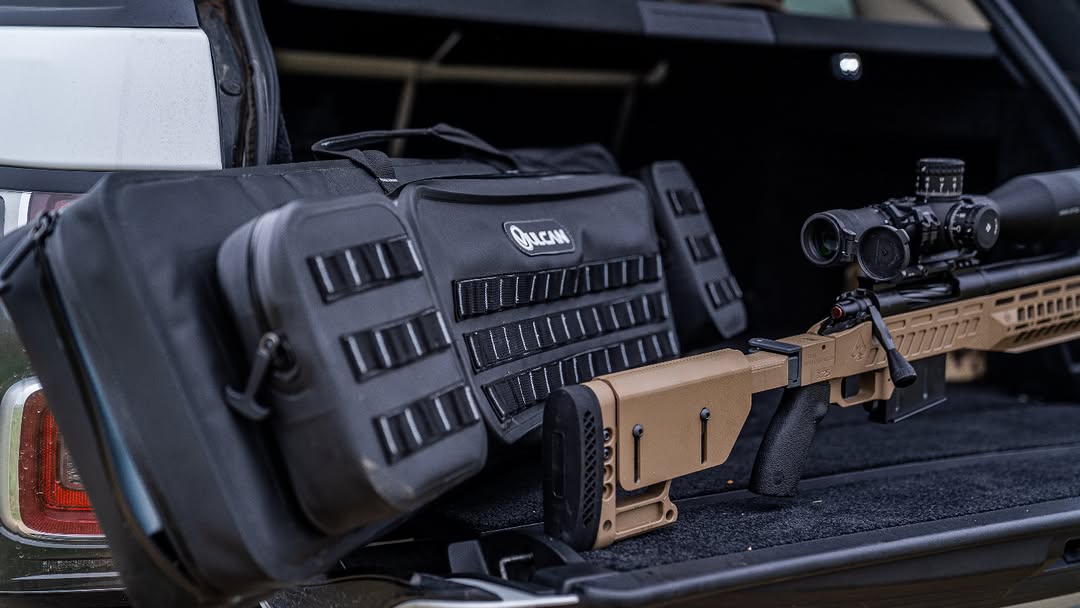
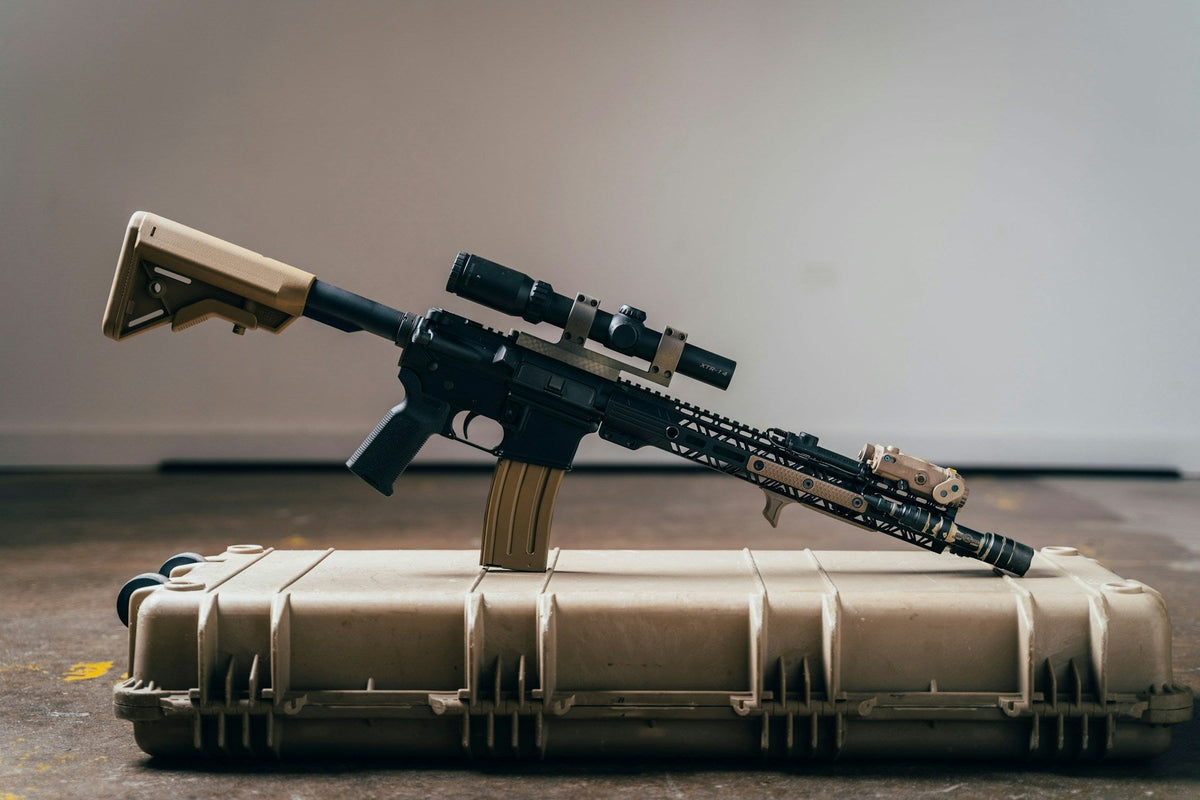
At VULCAN Arms, we build our WeatherLock cases and accessories for defense-minded owners who expect their gear to work when the sky is ugly and the ground is wet. Paired with solid cleaning habits and smart storage, a reliable waterproof rifle case keeps your rifle ready for the next hunt, the next class, and the next hard day in the field.
Protect Your Firearm With Reliable All-Weather Security
When your gear faces rain, mud, or sudden drops, you need protection you can trust every time you head out. At VULCAN Arms, we build every waterproof rifle case to guard your firearm from the elements and everyday abuse. Explore our WeatherLock lineup today so your rifle stays dry, secure, and ready when it matters most. Choose the case that fits your setup and upgrade your carry routine with confidence.
Share:
Everyday Uses for a Magnetic Gun Mount Beyond the Car
Inside a Concealed Rifle Bag: What Actually Fits and Stays Hidden