


Inside a Concealed Rifle Bag: What Actually Fits and Stays Hidden
A concealed rifle bag sounds simple: throw in your rifle, zip it up, and go, but in real life, it is not that easy. Optics, lights, suppressors, and loaded mags all eat up space and start to print through the fabric if we are not careful. If we want our gear to stay low-profile from the house to the truck to the range or lease, we need to plan the setup.
We are going to walk through what actually fits in a concealed rifle bag, what stays hidden, and what tends to show. We will talk about measuring your rifle the right way, planning a smart loadout, and keeping everything protected in rough fall weather. By the end, you should have a clear idea of how to set up a bag that looks like normal luggage but still carries a serious rifle and the gear you really need.
What You Can Really Carry in a Concealed Rifle Bag
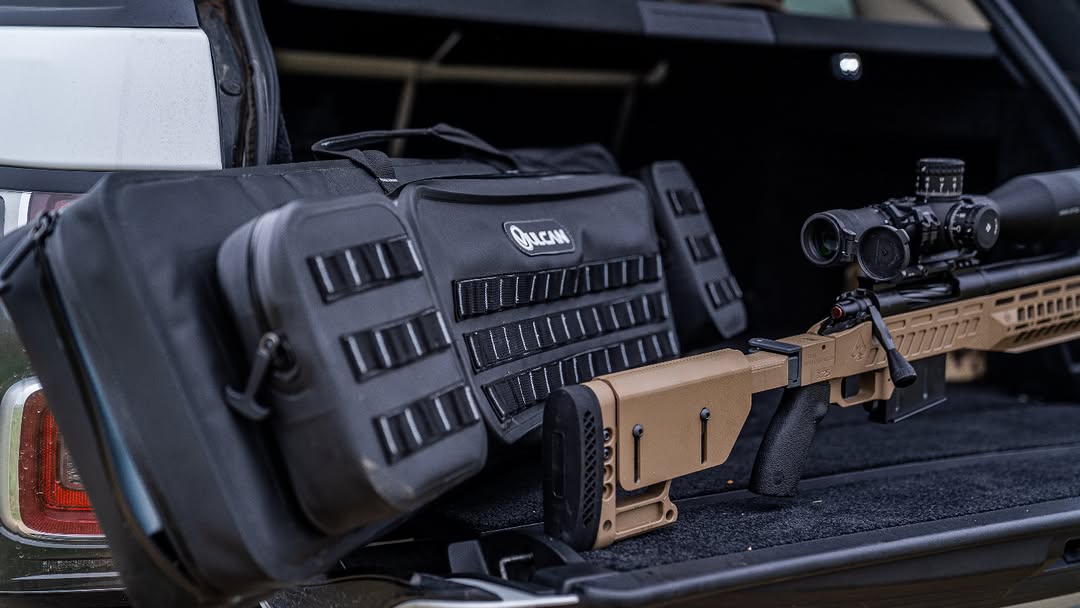
A concealed rifle bag is built to carry a carbine or similar long gun without looking like a rifle case. From the outside, it might look like a sports bag, tennis bag, skateboard case, or simple backpack. It is made for hunters, range shooters, travelers, and people in urban areas who want to move from place to place without drawing eyes.
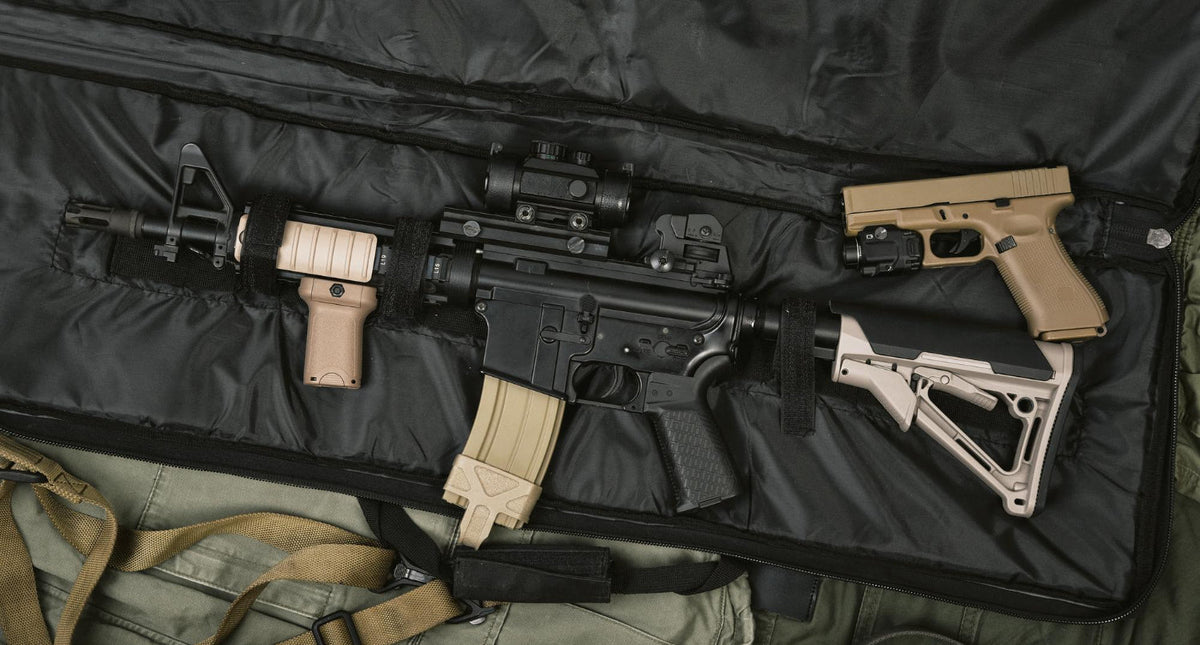
Marketing photos often show a clean rifle with no gear on it. Once we add what we actually use, things change fast. Think about:
-
Full-length handguard
-
Stock fully extended
-
LPVO or red dot with magnifier
-
Weapon light or laser
Suddenly that “fits up to X inches” claim gets tight. The gun might squeeze in, but zippers strain, padding bows out, and the rifle starts printing. That gap between ad photo and real setup is where smart planning comes in.
As hunting season and fall travel kick in, “stays hidden” matters more. Neighbors, hotel lobbies, gas stations, and crowded parking lots are all places where a classic hard rifle case screams “firearm.” With the right bag and loadout, you are just another person carrying luggage.
Measuring Your Rifle so It Truly Fits
The first big step is measuring your rifle honestly. Not the number on the spec sheet, but the real length of the gun you actually carry.
Here is what to measure:
-
Overall length with stock fully extended
-
Overall length with stock folded or collapsed, if possible
-
Length with muzzle device, brake, or suppressor attached
-
Height of optics, mounts, and turrets
Common setups that tend to work well with many concealed rifle bags include:
-
AR pistols and SBRs
-
Pistol caliber carbines
-
Takedown rifles and folding designs
-
Braced firearms with compact barrels
Remember, optics add height and bulk. A low-slung red dot usually rides lower than a big LPVO with tall turrets. Add offset irons or a piggyback micro red dot, and the bag needs more depth so the scope does not print or take a hit every time you set the bag down.
When you pick a bag size for fall hunting trips and weekend range days, leave a little extra space:
-
Room for soft padding at muzzle and stock
-
Space around optics so zippers do not rub glass
-
Flex for mounted lights, sling, and QD mounts
If you are on the edge of two sizes, that extra inch or two often means less printing and longer life for your gear.
What Stays Hidden and What Will Print Through
“Printing” is when the outline of your rifle or gear shows through the fabric. Even someone who is not a gun person can see a sharp pistol grip, mag well, or scope shape under a thin bag.
Some bag features help fight that:
-
Thick, even padding on both sides
-
Internal stiffeners that keep the bag flat
-
Exterior shapes that look like sports, gym, or travel bags
-
Smooth outer surfaces instead of MOLLE all over
The most common problem spots are:
-
Pistol grips pushing against one side
-
Mag wells and loaded mags forming blocky shapes
-
Tall scope turrets poking the lid
-
Bipods and vertical foregrips creating odd bumps
We can work around a lot of this with simple loadout tricks:
-
Transport with mags removed from the rifle
-
Use low-profile grips and optics when possible
-
Detach bipods and clip them into an inside pocket
-
Angle the rifle so the widest parts sit near the spine of the bag
The goal is to break up the outline so the bag just looks like normal gear, not like a rifle wrapped in fabric.
Building a Practical Loadout That Still Looks Civilian
Once the rifle fits, the next question is what else can ride along without turning the bag into a lumpy mess. Most concealed rifle bags can handle a slim support loadout if we keep it simple.
Useful items that often fit well:
-
2 to 4 magazines in flat pouches
-
Ear protection and basic eye protection
-
Basic tools like a multi-tool and small driver set
-
Cleaning essentials and a small cloth
-
Compact medical kit with basics you know how to use
To keep the outside smooth and quiet, organize gear into flat pouches and sleeves. Soft-sided pouches stay tight to the interior and keep metal parts from clacking together every step you take. Loose boxes and hard cases tend to bulge and rattle.
For fall and early winter, we usually like to add:
-
Weather-ready gloves and a beanie
-
A small handheld or weapon light with spare batteries
-
Weather-resistant cases for things like optics, documents, or small electronics
Safety and security matter too. Chamber flags, cable locks, and smart mag storage help keep the gun safe while still ready for legal transport. Inside a concealed rifle bag, that extra bit of control gives peace of mind if the bag ever leaves your direct reach for a short time.
Protecting Your Setup From Weather, Wear, and Impact
A concealed rifle bag is made to be discreet and handy, but it is only one layer of protection, especially when fall brings more rain, mud, and temperature swings. Soft bags are great for carrying from home to vehicle or from vehicle to blind, but they do not replace real protection against heavy hits or long trips.
A smart setup often looks like this:
-
Rifle rides in a concealed soft bag for low-profile carry
-
That bag can also slide into a tougher protective case in the truck or as checked luggage
-
Sensitive gear like optics or electronics rides in weather-resistant cases inside
Inside the rifle bag itself, packing matters. Keep heavier items along the spine or on the bottom so they do not crush your rifle. Use sleeves for the barrel and optic if they are riding close to other gear. Avoid metal-on-metal contact that can scratch finishes or knock your zero off over time.
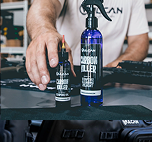
Ongoing care helps too. After a wet walk to the truck or a damp sit in the blind, a quick wipe-down in the bag, a bit of moisture control, and a compact cleaning solution and cloth can keep rust from starting. Fall weather around much of the country means cold mornings, warm afternoons, and lots of condensation, so that small cleaning kit earns its spot.
Dial in Your Concealed Rifle Bag Before Your Next Trip
Before you trust any concealed rifle bag on a hunt or long range day, do a full test pack at home. Load the rifle with the optic you actually use, add the mags, ear and eye pro, tools, and medical kit you plan to carry. Zip it all up, then check for:
-
Printing along the sides and top
-
Awkward weight balance on the shoulder strap
-
Zippers that feel like they are under stress
Walk around the house, lift the bag in and out of a vehicle, and see if anything shifts or rattles. This is the time to adjust, not in a hotel parking lot in the dark.
It can also help to build two simple seasonal loadouts. Keep a lean everyday range kit with just the basics, and a slightly expanded fall or winter kit with gloves, lights, and extra weather protection inside protective cases. Vulcan Arms focuses on the accessories that make this easier, from magnetic mounts at home, to cleaning gear, to WeatherLock protective cases that add another layer of defense for your rifle and optics when the bag alone is not enough.
When we take time to measure our rifle correctly, pick a bag that truly fits, and plan the internal loadout, a concealed rifle bag stops being a guessing game. It becomes a quiet, reliable way to carry the rifle we trust, keep it protected, and still move through normal life without drawing eyes.
Secure Your Firearm Transport With Purpose-Built Protection
Choose a transport solution that protects your rifle, keeps you discreet in public spaces, and stands up to real-world conditions. At VULCAN Arms, we design every concealed rifle bag to balance security, comfort, and low-profile carry. Explore our options today so you can move confidently between your vehicle, the range, or storage without drawing unwanted attention.
Share:
Understanding Car Gun Cases for Discreet Everyday Transport
Understanding Car Gun Cases for Discreet Everyday Transport