




Summer trips, range days, and out-of-state hunts all have one thing in common: your gear will meet water at some point. If you trust a label on a waterproof rifle case without testing it, you are betting your rifle, optics, and confidence on a sticker. That is not a smart bet for anyone who cares about performance and safety.
We want to walk through simple checks you can do at home before you hit the road. With a few basic tools and a little time, you can tell if your case really keeps water out, where weak spots might be hiding, and when it is time to repair or upgrade. No lab, no fancy tools, just common sense and a protection-first mindset.
Stop Guessing and Test Your Waterproof Rifle Case
Summer can throw everything at your gear. A clear morning can turn into a fast thunderstorm on the highway. A calm lake crossing can turn choppy in minutes. One small crack or loose latch can leave you with fogged glass, rusty parts, swollen stocks, and a rifle you no longer trust.
Labels like water resistant or splashproof sound good, but they do not all mean the same thing as waterproof. Many cases are built to handle a passing shower, not a long ride on an ATV in steady rain or a wet float across a river. As defense-minded gun owners, we should never take that wording at face value.
Here is what we want from home testing:
-
Spot leaks at seams, hinges, and latches
-
See how the seal behaves with real water on it
-
Decide if the case is safe to keep using or should be retired
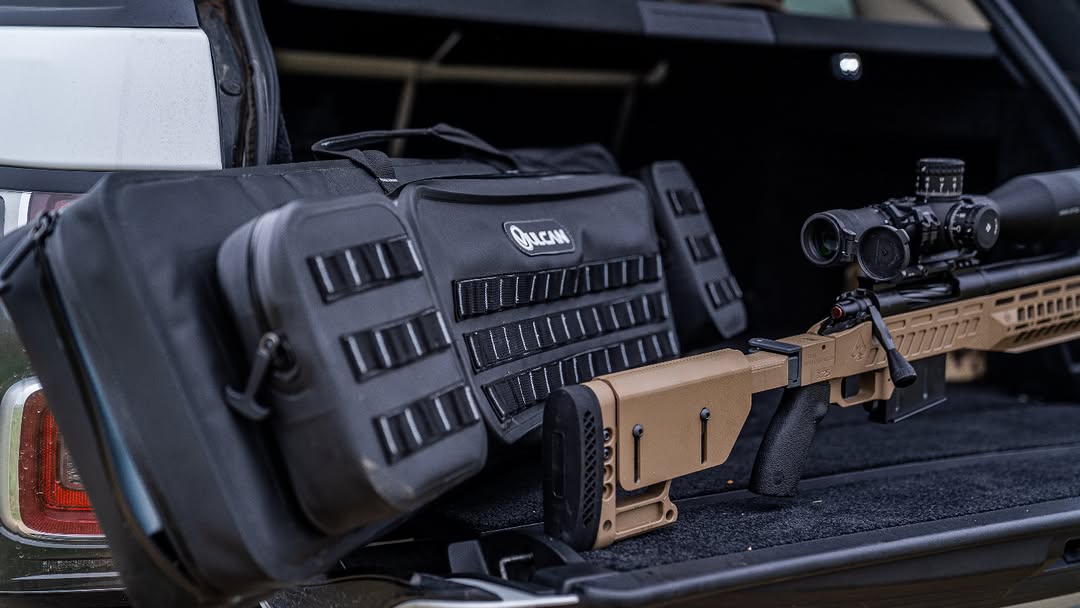
Better cases, like weather-locking styles, give you a wider safety margin. But even a great case can fail if it is never checked, cleaned, or closed properly.
What Waterproof Really Means for Your Rifle
When makers talk about a waterproof rifle case, they are usually talking about three things: the shell, the seal, and the hardware that holds it all together. Some cases are rated with IP codes that describe dust and water resistance, but many are not, so we have to look at real-world behavior instead of just the specs.
Key parts that affect water protection:
-
Gasketed seal around the lid
-
Latches that pull the lid down tight
-
Pressure equalization valve, if the case has one
-
Rigid shell that does not warp under weight or heat
Different trips stress a case in different ways. A light rain at the range mostly hits the top and sides. A ride on the roof rack or in the bed of a truck in heavy rain pushes water into seams at speed. A river crossing or wet boat ride splashes from below and from the sides. Airline baggage handling adds impacts, pressure changes, and temperature swings.
At home, we are not trying to copy lab tests. We are checking for obvious seal failures, small cracks, loose latches, and valve issues that show up in everyday travel. If a case cannot pass simple hose, shower, and puddle tests, it should not be trusted for harsher use.
Prep Your Case for Safe at-Home Leak Testing
First, we have to talk safety. Never bring water near a loaded firearm. Before you do anything:
-
Unload the rifle fully, clear the chamber, and double-check
-
Store all ammo away from the testing area
-
Keep the rifle and optics out of the case during any water test
For leak testing, we like to use paper towels, tissue, or dry cloth strips inside the empty case. Lay them along seams, corners, and around where the stock and optics would normally sit. These act like easy leak detectors. Any moisture that sneaks in will show up quickly.
Before you add water, give the case a quick inspection:
-
Wipe out sand, dust, or grit from hinges and latches
-
Clean gasket surfaces with a soft cloth and a gun-safe cleaner
-
Check for old oil or grease on the seal that could keep it from seating
Summer heat, especially in a parked vehicle, can soften seals and expand plastic. If you are planning a hot-weather trip, test your waterproof rifle case on a warm day. That is closer to what the case will face in real use.
Easy Home Water Tests to Expose Hidden Leaks
You do not need deep water to learn a lot. A shower head, a garden hose, and a shallow tub can tell you plenty about how your case performs.
Shower or hose test
-
Place the dry towels or tissue inside the case
-
Close and latch every latch fully
-
Run a gentle but steady stream of water over all seams and corners for a few minutes
-
Pay extra attention to hinges, latch areas, and any labels or badges
Dry the outside before you open it. Then open and check the paper for damp spots or wicking lines.
Standing water or puddle test
-
In a tub or kiddie pool, pour in an inch or two of water
-
Set the closed case flat in the water
-
Gently rock or press on the case so water moves against the bottom and lower seams
-
Leave it for several minutes, then dry the outside and open it
Look for moisture along the base and corners. Even a small line of water inside means a weak point.
Vertical spray and handle test
-
Prop the case upright by the handle
-
Spray from above so water hits the handle mounts and runs down toward the seal
-
Focus on any pressure valve or drain area
When you open up, check if water found a path along the handle hardware or valve into the case.
How to read the results:
-
A few drops trapped in exterior screws or hardware are normal
-
Any wet paper towel or clear damp patch inside is a failure
-
If the same spot gets damp on more than one test, that area cannot be trusted
Inside, our standard is simple: no moisture at all.
Check Seals, Latches, and Valves Like a Pro
Now that you have tested with water, it is time to look closer at the parts that actually keep the case tight.
Seal and gasket check
Open the case and follow the seal all the way around with your eyes and fingers.
-
Cracks, cuts, or missing chunks
-
Flattened or shiny areas that no longer puff up
-
Twisting or spots that look out of place
Take a thin strip of paper and close the lid on it at different points. Try to pull the paper out. If it slides out easily in one area, that part of the seal may not be making firm contact.
Latch performance
With the case empty and closed, press down on different areas of the lid. If you feel movement or hear clicking, the latches may not be pulling tight enough. Loose latches can let water push past the seal during bumps or vibration.
Valves and hardware
If your case has a pressure relief valve, make sure it is fully closed and free of grit. A cracked or damaged valve can let moisture creep in during rain or in high humidity, even if the rest of the case is solid.
Seasonal stress check
To copy real travel, add some weight, like towels or soft gear, close the case, and leave it in a warm spot for a few hours. Then repeat one of your water tests. Heat plus weight can reveal warping and seal problems that did not show when the case was cool and empty.
When to Trust Your Case or Upgrade Your Protection
After a few rounds of testing, you should have a clear picture of what your waterproof rifle case can handle.
If you see:
-
No moisture inside after several tests
-
A seal that looks healthy and grips paper all around
-
Latches that close firmly with no lid rattle
Then you can trust that case for typical rain, splashes, and short wet rides.
If you see:
-
Damp paper in the same area more than once
-
A gasket that is cracked, flattened, or missing sections
-
A warped lid, cracked shell, or damaged valve
Then that case is no longer waterproof. Minor fixes, like cleaning latch mechanisms, tightening screws, or replacing a worn gasket, can save some cases. But when the shell, lid, or valve is damaged, it is time to retire it from serious duty and move to something better.
When you upgrade, look for:
-
A tough shell that does not flex easily
-
Strong, positive latches that pull the lid in tight
-
Quality seals and weather-locking designs built for defense-minded owners
At Vulcan Arms, we build and choose gear with this mindset every day. A rifle case is not just a box; it is part of your protective system, just like secure magnetic mounts, weather-focused cases, and proper cleaning. Test early, test often, and your rifle will be ready when your next trip, match, or hunt begins.
Protect Your Firearm With Reliable, Field-Tested Security
When conditions turn wet, muddy, or unpredictable, your rifle protection should be the last thing you worry about. At VULCAN Arms, we designed our waterproof rifle case to seal out the elements and keep your gear mission-ready wherever you go. Upgrade your setup today so you can travel, store, and deploy your rifle with confidence in any environment.
Share:
Summer Vehicle Handgun Mount Tips: Heat, Sweat, Adhesives, and Storage
Summer Vehicle Handgun Mount Tips: Heat, Sweat, Adhesives, and Storage