


Travel-Ready Rifle Protection Without the Headaches
Choosing how to carry your rifle should not feel like a headache. Between flights, summer range days, and keeping a rifle in your truck or SUV, it is easy to wonder if you really need a big hard case or if a soft-sided tactical rifle case will do the job.
Both styles protect your gear, but they do it in different ways. The right pick depends on where you go, how often you carry the rifle, and how much abuse the case will see along the way. In this guide, we will walk through when a soft tactical case makes sense, when a hard case is the smarter move, and how WeatherLock-style protection fits into all of it so your rifle stays safe, dry, and ready.
Understanding Soft-Sided Tactical Rifle Cases
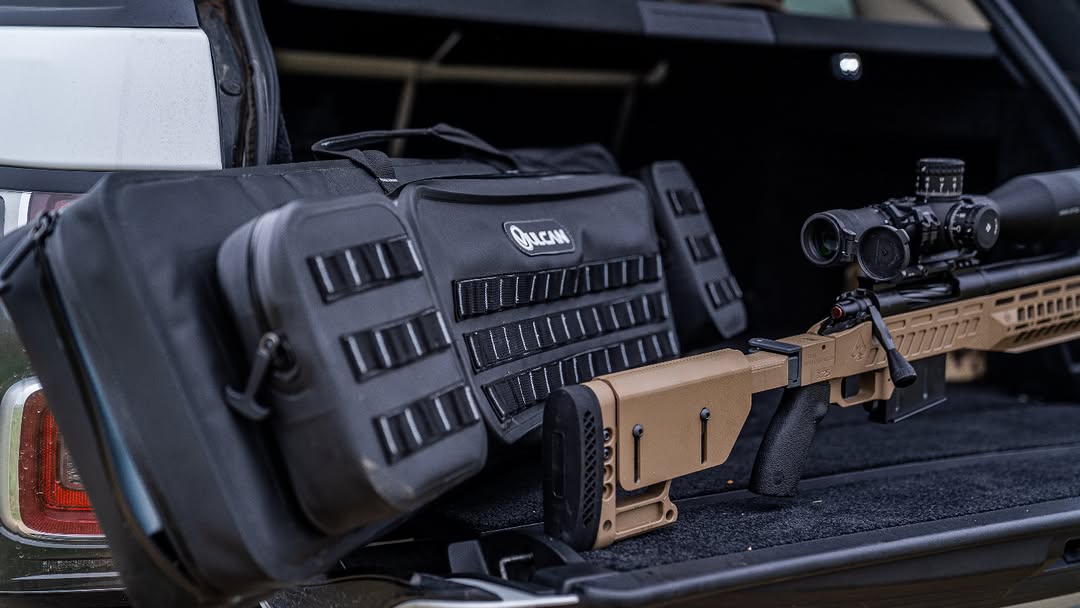
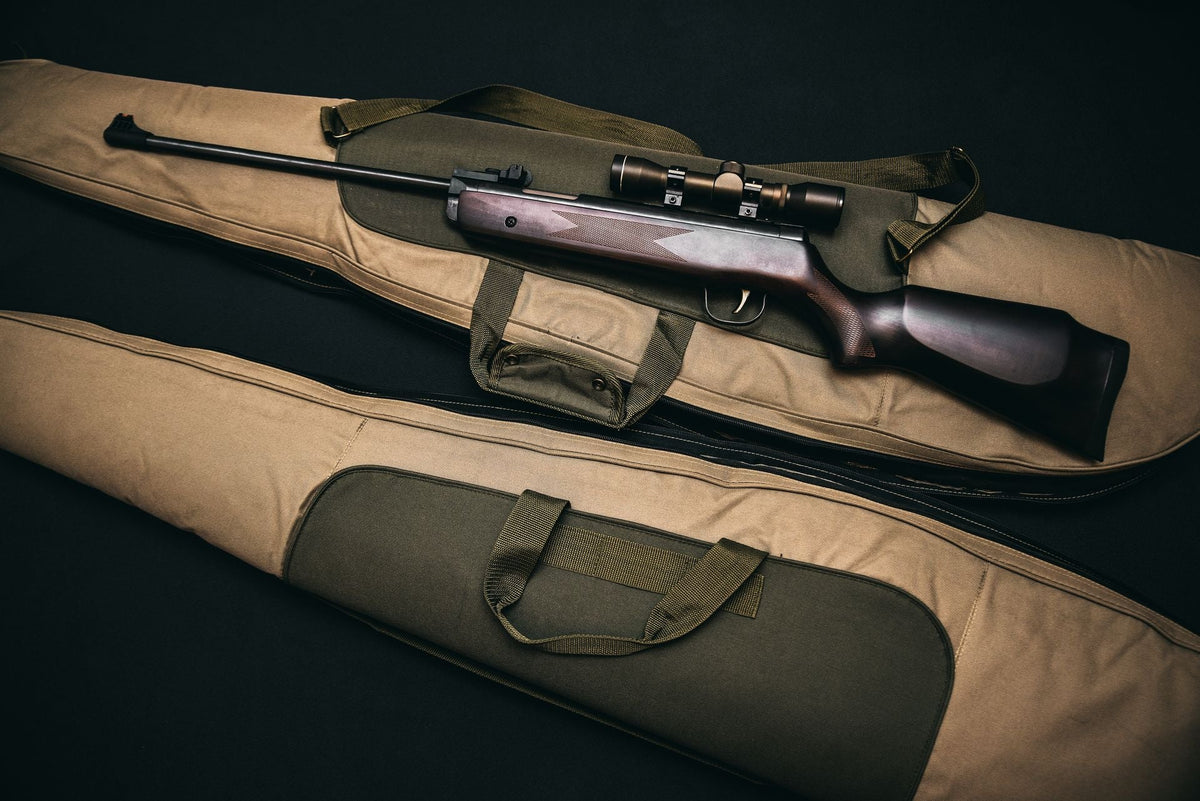
A soft-sided tactical rifle case is usually built from tough fabrics like nylon or Cordura with foam padding inside. Many are shaped like a long rectangle, with space for one or two rifles or carbines and extra room for gear. You will often see details that make them feel more like a range bag than a plain sleeve.
Common features include:
- Single or double rifle compartments with tie-down straps
- MOLLE webbing on the outside for attaching extra pouches
- Built-in mag pouches and admin pockets for tools and small parts
- Carry handles plus shoulder straps or backpack straps
The big advantages are comfort and speed. Soft cases are lighter, easier on your shoulders in hot weather, and much simpler to squeeze into a car trunk or behind a truck seat. They are also more discreet for those quick trips to the range or a training class in town, since they do not scream “weapon case” from a distance.
There are trade-offs. A soft case cannot handle the same crush force as a hard shell, especially if heavy gear ends up stacked on top of it. At airports and on long hauls, rough handling can stress zippers and seams. To help with that, it pays to look for:
- Quality, oversized zippers
- Reinforced stitching at stress points and grab handles
- A water-resistant outer shell and WeatherLock-style internal protection to keep moisture and sweat away from metal and optics
With the right build and a moisture-blocking inner sleeve or case, a soft-sided tactical rifle case can do far more than just get your rifle from the house to the truck.
When a Soft-Sided Tactical Rifle Case Shines
Soft-sided tactical cases really come into their own during regular range days and local training. When it is hot and you are hauling ammo, water, and ear pro, the lighter weight and padded straps matter. You can sling the case, walk longer distances to the firing line, and get into your gear fast without wrestling with a big plastic shell.
For everyday vehicle storage, a soft case often fits better into real life. It can:
- Slide under seats or behind a truck bench
- Ride in a trunk without clunking and rattling around
- Help keep transport low profile and organized between home, vehicle, and range
Short road trips and local matches are another sweet spot. If you are driving your own vehicle, you control how the case is treated. In that setup, many shooters like a soft tactical case on top, then add WeatherLock-style firearm cases or sleeves inside to guard against sweat, humidity, or sudden summer storms when the trunk or tailgate is open.
Here in our area, hot afternoons and fast pop-up showers are normal. Using layered protection means you can grab the soft case, walk into a class or match, and know your rifle was shielded from moisture the whole way.
When a Hard Rifle Case Is the Smarter Choice
There are times when a soft-sided tactical rifle case is not enough. Air travel is at the top of that list. Airlines and TSA rules require rifles to be transported in a hard, lockable case with strong latches. A proper hard case keeps the rifle secure when it rides on conveyor belts, gets stacked in bins, or takes a tumble during loading.
A quality hard case also shines during long-term or stacked storage. If you keep rifles with optics, suppressors, or other sensitive parts in a crowded safe, closet, or RV, that rigid shell keeps other gear from crushing knobs, turrets, and mounts. It also protects when cases are stacked on top of each other during hunting trips or long drives.
Harsh environments are another place where a hard case earns its space. In trucks, trailers, and equipment bays loaded with heavy items, a hard shell can shrug off:
- Drops or falls off tailgates
- Heavy bags and coolers piled on top
- Bumps and jolts on rough roads
During extended summer and early fall travel, that extra toughness can be the difference between a rifle that arrives on zero and one that needs work before you can even shoot.
Side-by-Side Comparison for Real-World Use
When we compare soft and hard rifle cases, it helps to look at three main areas: protection, comfort, and flexibility.
Protection and durability:
- Soft cases rely on padding and fabric, great for everyday bumps and short hauls
- Hard cases use rigid shells that fight crushing and hard impacts
- Adding WeatherLock-style interior cases or sleeves inside a soft case can close the gap on moisture control and help during light impact
Portability and comfort are almost always won by the soft-sided tactical rifle case. It is lighter, easier to carry at odd angles, and nicer in heat when you are walking through crowded parking lots or across big outdoor ranges. Hard cases are less friendly here, especially for smaller shooters or anyone carrying multiple bags.
Cost is not the only part of flexibility. Storage space matters too. Hard cases take up more room in closets, safes, and vehicles. Soft cases can fold or flatten a bit when empty and can often hold:
- Multiple rifles or carbines
- Pistol-caliber carbines with optics
- Mags, slings, cleaning gear, and small tools in one grab-and-go setup
That ability to carry a full loadout in one soft case is a big reason many people use them as their daily range companion, even if they still own a hard case.
Choosing the Right Case for Your Next Trip
A simple way to decide is to start with your main use. If you are flying, begin with a quality hard case that meets airline and TSA rules. You can always pack a soft-sided tactical rifle case inside your luggage, then move the rifle into it once you land for easier carry at your destination.
If your main use is local ranges or transport in your own vehicle, leaning toward a soft case usually makes sense. Then, layer in WeatherLock-style protection inside the soft case when you expect sweat, humidity, or sudden storms. This keeps your rifle safe from moisture without giving up comfort and speed.
Many shooters end up with a combo system: hard case for check-in, baggage handling, and long rugged trips, soft-sided case for daily use, local training, and vehicle storage. Before the late-summer and fall shooting season gets busy, it is worth taking a hard look at your current setup. Check zippers, padding, and seals, then upgrade weak spots so your rifle stays secure, accessible, and ready to roll wherever you go with VULCAN Arms gear in the mix.
Protect Your Rifle With Reliable, Field-Tested Gear
When it comes to transporting your firearms, you need protection you can trust every time you zip the case shut. At VULCAN Arms, we’ve engineered our soft-sided tactical rifle case to guard your rifle from weather, impact, and prying eyes without slowing you down. Explore our lineup today to find the fit and features that match how you train, travel, and store your gear. Equip your rifle with the same level of confidence you demand from every shot you take.
Share:
Inside Soft Sided Tactical Rifle Cases for Discreet Carry
Inside Soft Sided Tactical Rifle Cases for Discreet Carry