



Stop Killing Your Gear Before the Hunt Even Starts
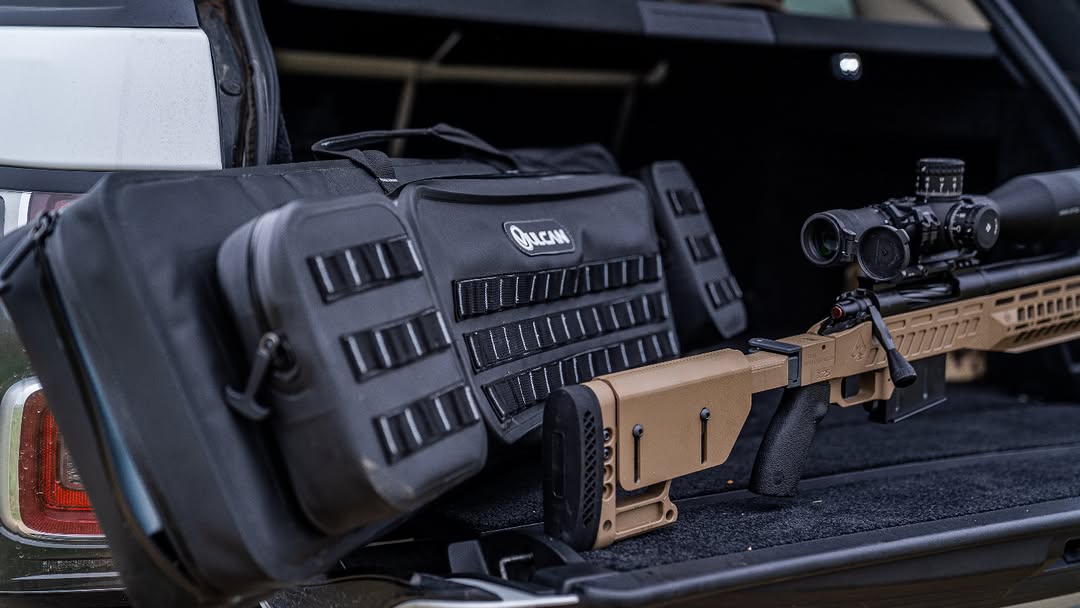
A waterproof rifle case is supposed to be the one piece of gear you do not worry about. It should keep rain off your rifle, keep dust out of your optic, and keep everything safe in the truck, on the ATV, or in the boat. When that case fails, the hunt or the training day can be over before it even starts.
Many shooters are surprised when a “waterproof” rifle case starts leaking, growing mildew, or refusing to close tight. Most of the time, the problem is not the label on the case. It is small habits that slowly wreck the seals, crush the foam, and stress the hinges. The good news is that a few easy changes can keep your rifle dry, your optics on zero, and your defensive setup ready when you need it.
At VULCAN Arms, we build gear for practical defense and protection, including our WeatherLock firearm cases that are made to handle bad weather, dusty roads, and hard use. We want to share what we see ruin cases early and how you can avoid the same traps.
Treating “Waterproof” Like “Indestructible”
Waterproof does not mean magic. A good waterproof rifle case is built to keep out rain, splashes, and dust. It can handle a wet truck bed or a surprise storm. But long soaks, deep water, and constant abuse will still cause problems.
One common mistake is using the case as a seat, step, or table. When we sit or stand on it, the lid can bow, the gasket can flatten, and the latches can get out of alignment. Over time, that tiny bend gives water and dust a path inside.
We also see problems from heat and pressure changes during late summer and early fall. A case baking inside a vehicle all day, then cooling fast at night, is already working hard. If it is overstuffed and we slam the latches, we are grinding pressure into the closure system every single time.
Smart habits here look simple:
-
Do not sit, stand, or jump on the case
-
Store it flat, not buried under coolers and gear
-
Do not strap it down so tight that the lid bends
-
Check that every latch lines up and closes cleanly before you move out
Treat the case like a piece of safety gear, not a folding chair. It will last much longer.
Ignoring Seals, Foam, and Moisture After Long Days
The gasket around the lid is the heart of a waterproof rifle case. When that seal is clean, soft, and unbroken, it keeps out water and humid air. When it is full of dirt, pine needles, sunscreen, or gun oil, it starts to fail.
After a long, hot day at the range or in the woods, many of us toss the case in a corner and leave it sealed. If there was any moisture inside from sweat, rain, or damp clothing, that water now has nowhere to go. Rust, mildew, and foam damage love that kind of environment, especially in warm areas with sticky humidity.
Rough handling adds another layer. Sharp sling swivels, bipod legs, and rail accessories can chew into the foam. Crushed, torn, or soaked foam stops cradling the rifle and lets it slide and slam against the shell. That movement can stress hinges and seals, which slowly breaks the waterproof promise.
Simple care goes a long way:
-
Wipe the gasket with a soft cloth after dirty or wet days
-
Look for cracks, flat spots, or places where the seal pulls loose
-
Open the case and let it air out overnight after rain or heavy humidity
-
Replace damaged foam before it fully collapses or develops mildew
A few minutes of care after each trip can save your rifle finish, your optic, and your case.
Packing Your Case Like a Toolbox Instead of a Lifeline
A waterproof rifle case often turns into “the gear box” once fall travel picks up. Loose ammo, spare batteries, knives, tools, and random parts all get tossed in. It feels handy at first, but it slowly destroys the inside of the case.
Loose metal items roll and bang around during every mile on a rough road. They gouge the walls, punch into the foam, and can even chip your optic housing. Heavy extras, like full ammo cans or large tripods, can twist the case body so the lid never sits quite right again.
Then there is the chemical problem. Solvents, oils, and sprays are rough on foam and rubber. If one leaks, it can soften the gasket, eat the foam, or make plastic parts brittle or sticky. That damage may not show up right away, but the waterproof performance will drop fast.
A better way to pack is simple and focused:
-
Keep the rifle and optic as the top priority
-
Use small pouches or organizers for loose tools and small parts
-
Store harsh chemicals and cleaners in their own separate container
-
Check that the lid closes easily, with no need to force or sit on it
When we treat the case like a lifeline for the rifle, not a rolling toolbox, it can keep doing its job season after season.
Storing Cases Wrong Between Seasons
Many shooters treat a waterproof rifle case as set-and-forget gear. After late-summer training or an early fall hunt, the whole thing often gets shoved into a hot garage or a damp corner of the basement until the next trip. That is exactly where long-term damage starts.
Heat and sunlight can dry out rubber seals and make plastic shells warp. Humid spaces encourage mildew deep inside the foam, especially if the case was closed with even a little moisture trapped inside. Over time, the case might still look fine from the outside, but it no longer seals the way it did when it was new.
There is also a big risk in leaving a rifle locked inside a sealed case for months. Any sweat, oil, or moisture on the firearm turns that tight case into a tiny humidity chamber. Corrosion and pitting move much faster when air cannot circulate.
Better storage habits are straightforward:
-
Store cases indoors when you can, away from direct sunlight
-
If the rifle is not inside, leave the case slightly open so it can breathe
-
Clean and dry the firearm fully before any long break
-
Give latches, hinges, and seals a quick inspection before early season travel
When we live with heavy heat and changing weather, these small steps matter even more.
Upgrade Your Protection Before the Next Storm Hits
A waterproof rifle case can only do its job if we let it. Even a high-quality case will fail fast if it gets used as a stool, stuffed like a toolbox, or left wet and sealed for weeks at a time. With a bit of care, it can keep your rifle protected from rain, mud, and rough transport.
We like to think of late summer as the perfect “gear audit” window. This is the time to open up your cases and look for warped lids, tired seals, crushed or moldy foam, and rough spots on hinges. If something feels off, it probably is. Fixing or replacing weak parts now beats finding a rusted rifle on the first cold morning in the field.
At VULCAN Arms, we build WeatherLock firearm cases and other tools for real-world defense and protection. Our goal is simple: help you keep your rifle ready when the weather turns ugly and the roads get rough. Clean your rifle, empty and inspect your case, and tighten up those small daily habits so your waterproof rifle case is still truly waterproof when the next storm rolls in.
Protect Your Firearm With Battle-Tested Waterproof Security
When you rely on your rifle in the field, you cannot afford to let water, dust, or impact compromise your gear. That is why at VULCAN Arms we engineered our waterproof rifle case to safeguard your firearm in the harshest conditions. Upgrade your protection today so your rifle, optics, and accessories stay mission ready wherever you go. Choose the level of security your equipment deserves and make your next trip to the range or backcountry fully prepared.
Share:
QuickDraw Gun Magnet Compatibility Guide: Choose the Right Setup
QuickDraw Gun Magnet Compatibility Guide: Choose the Right Setup