




Seal in Confidence for Wet, Windy Range Days
A waterproof rifle case is not just a fancy box; it is how you keep your rifle honest when the weather turns ugly. Early fall range days bring cool mist, light drizzle, and that sneaky dew that soaks your boots before you even hit the firing line.
Those same conditions can soak into your rifle. We are talking rust on the barrel, moisture in your scope, swollen stocks, and a zero that shifts for no good reason. That is real damage, not just a little discoloration on the finish.
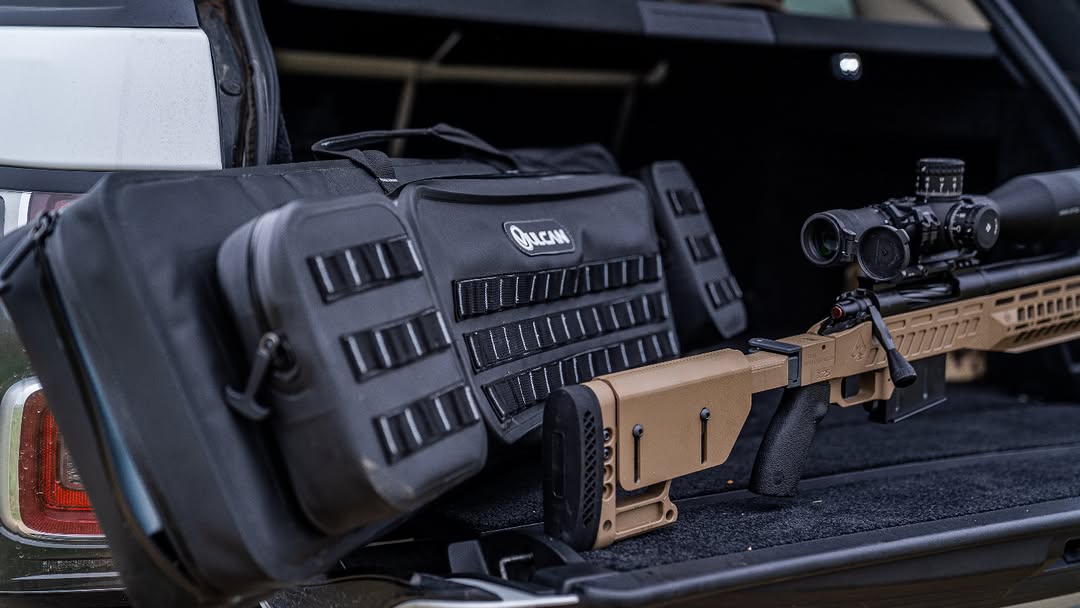
Think of a well-built waterproof rifle case as mobile climate control for your rifle and support gear. From the house to the truck, from the truck to the bench, it keeps water out and your setup ready to run.
Here we will break down why moisture is so dangerous, how real waterproof cases are built, what features matter on range day, and how to pick the case that actually fits your rifles and your goals.
Why Moisture Murders Rifles Faster Than Recoil
Most of us respect recoil. We baby our shoulders, adjust our stance, and watch our optics. But slow, quiet moisture often does more damage over time than any recoil impulse.
Water sneaks in through:
-
Action cuts and ejection ports
-
Scope rings and optic housings
-
Sling studs, screws, and small gaps in the stock
-
Magazines and mag wells that collect damp air
On a cool fall morning, your rifle might ride to the range in a warm truck, then be taken out into cold, wet air. Later that day the temps climb again, and the gun sits in a sealed vehicle. Those swings drive condensation into every gap if the case is not truly sealed.
Over weeks and months, that means:
-
Surface rust on barrels, bolts, and muzzle devices
-
Corrosion on scope bases, screws, and mounts
-
Foam that holds water and grows mold
-
Wood or laminate that swells and shifts your point of impact
-
Lubes and finishes that start to break down early
Good cleaning habits are important, and safe storage at home matters too. But a waterproof rifle case adds another layer, stopping moisture from even getting close while you move between home, range, and hunting land.
The Core Science Behind a True Waterproof Rifle Case
Not every case that shrugs off a quick sprinkle is truly waterproof. Water resistant often just means it will slow water down for a while. A serious waterproof rifle case is built around a full perimeter seal and tested closures.
Here are the big pieces that set a real waterproof rifle case apart:
-
Gasketed perimeter seal that compresses fully when latched
-
Latches that pull the lid down evenly so no corner gaps open up
-
Pressure equalization valve so air pressure can balance without letting water in
That pressure valve is the quiet hero. When you drive from low ground to a high ridge, or when a storm front rolls through, pressure changes. The valve lets the case breathe just enough so it does not warp or pop its own seal.
On the outside, strong shells and hardware keep the case from cracking when life gets rough. We recommend:
-
Injection molded polymer that can shrug off drops on gravel or concrete
-
Hinges that are pinned and beefy, not tiny weak points
-
Corrosion resistant metal parts on handles, latches, and lock points
Inside the case, the right foam matters as much as the shell. Closed-cell foam does not drink water, and it dries fast if the lid gets opened in the rain. Custom cut channels and pockets keep rifles and optics from shifting and give moisture nowhere to hide.
Think about a few real range day scenes:
-
Case riding in the bed of a truck while rain pounds the lid
-
Case resting on wet grass while you staple targets
-
Short but heavy downpour between the truck and the covered bench
A true waterproof rifle case just shrugs and keeps the inside dry through all of it.
Real-World Range Features That Actually Matter
Protection is the first job, but how a case carries and opens matters just as much when you are on your feet all day.
For carry and transport, we pay close attention to:
-
Balanced handles that do not twist your wrist
-
Optional backpack-style straps so you can carry rifle and gear in one trip
-
Wheels on longer cases for crossing big parking lots or muddy range roads
Access is huge when your hands are cold or gloved. Glove-friendly latches that open in a clear motion save time at safety checks. Quick-open setups let range officers inspect chambers without fighting sticky hardware.
Inside the case, layout is what keeps your rifle looking and shooting right. Smart storage means:
-
Magazines in their own slots, not rolling against your optic
-
Ear and eye protection tucked away from your stock
-
Sling and small tools stored where they cannot scrape your finish
-
A spot for a small cleaning kit so you can handle a quick wipe down before heading home
A quiet case also matters more than people think. Snug foam, smart spacing, and secure pockets cut down rattles as you move from vehicle to bench. That keeps things more low-profile in a parking lot and just feels better when everything is locked in place.
How to Choose the Right Case for Your Rifle and Goals
Picking a waterproof rifle case starts with fit. You want your rifle to sit like it was made for that space.
Pay attention to:
-
Overall length with muzzle device or brake installed
-
Extra length from a suppressor if you run one
-
Scope height and length, especially with big turrets
-
Bipods, chassis systems, and adjustable stocks that add bulk
Think about how you actually use your rifle too. Some common use cases look like this:
-
Range-only shooters who drive short distances but still fight fall rain and wet benches
-
Hunters running to damp blinds, boats, or tree lines at first and last light
-
Students hauling a defensive rifle to multi-day classes where weather can change fast
-
Competitors flying with rifles where airline handling and unknown weather both come into play
Soft cases are fine for quick, dry trips or when you just need scratch protection in the safe. When the plan includes air travel, rough roads, bad weather, or long days in and out of vehicles, a hard-shell waterproof rifle case stops being optional.
A simple checklist helps narrow things down:
-
Real waterproof rating with a full perimeter gasket
-
Latches you trust not to pop open in the truck
-
Closed-cell foam that will not soak up water
-
Solid tie down and lock points
-
Airline-ready layout if you ever plan to check the rifle
-
Clean integration with other WeatherLock style gear so pistols and support gear match the same protection level
Put Your Rifle in a Case That Is Ready for Any Forecast
Fall brings rain, swirling wind, cold mornings, warm afternoons, and muddy range roads. All of that can chew away at rifles that live in basic, non-sealed cases, even if they only see "light" weather.
A dialed-in waterproof rifle case helps keep your zero stable, your optics clear, and your action clean so the rifle runs the same in a wet September drizzle as it does on a perfect dry day. It is long-term insurance for the gun you trust.
At VULCAN Arms, we build and source gear with defense-minded shooters in mind, from magnetic handgun mounts to WeatherLock style cases and range-ready apparel that holds up when the forecast gets sketchy. Treat your rifle case like part of your defensive kit, not an afterthought, and your gear will be ready whenever the next range day or hunt lines up, no matter what the sky looks like.
Protect Your Firearm With Battle-Tested Weatherproof Security
When conditions turn harsh, your gear should be the last thing you worry about. At VULCAN Arms, we design every waterproof rifle case to shield your firearm from rain, dust, and impact so it is ready when you need it most. Explore our lineup today to find the right fit for your setup, and equip your rifle with the rugged protection it deserves.
Share:
Summer Vehicle Handgun Mount Tips: Heat, Corrosion, Safe Placement, Security
Summer Vehicle Handgun Mount Tips: Heat, Corrosion, Safe Placement, Security