



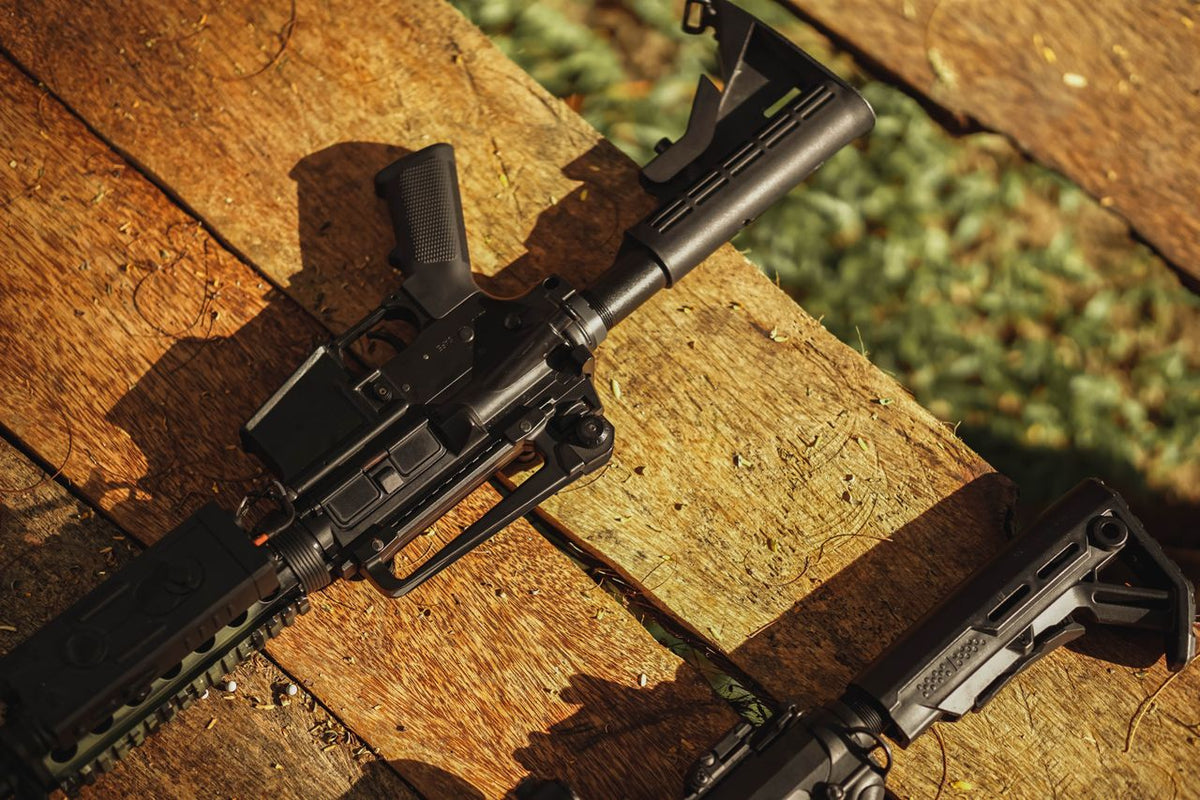
Stop Letting Your Rifle Ride Unprotected
Soft-sided rifle cases feel simple. Zip it, toss it in the truck, head to the range or into the woods. Then the day starts with a surprise: a new ding in the stock, fog under the scope, or a turret that clearly took a hit.
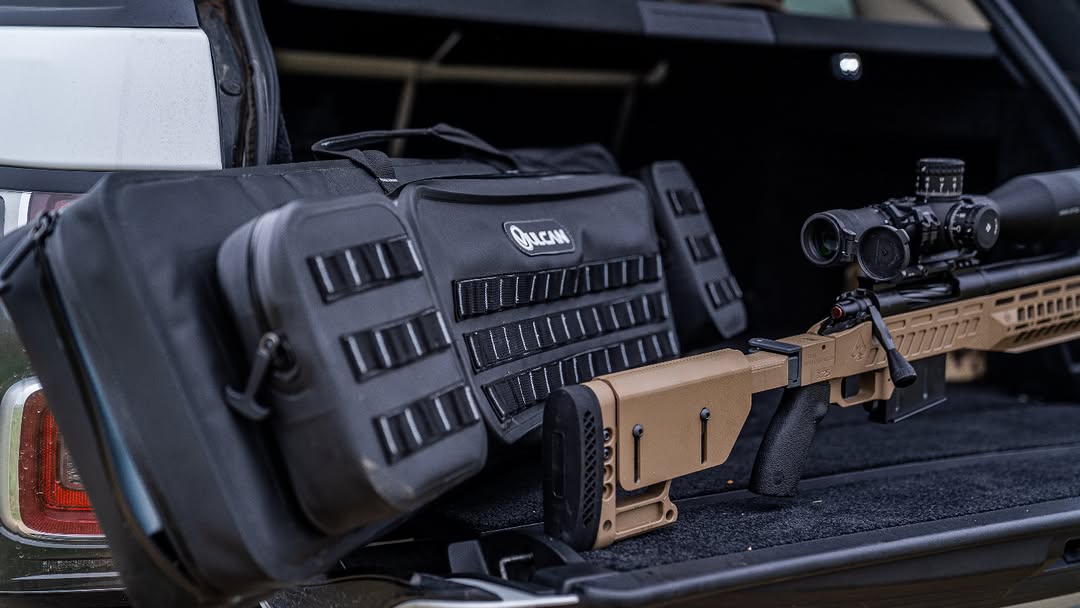
Most rifle damage does not come from huge crashes. It comes from everyday habits, rushed packing, and soft cases that are not used the right way. A good soft-sided rifle case can protect your rifle very well, but only if you choose it wisely and pack and store it with care, especially as fall brings cooler, wetter weather and more trips in trucks and ATVs.
At VULCAN Arms, we see the same problems again and again. Here are the most common soft-sided rifle case mistakes that ruin protection, plus simple fixes that keep your rifle ready to shoot when you step to the line or climb into the stand.
Choosing the Wrong Soft-Sided Rifle Case
A soft case is more than just a long bag. The way it is built matters a lot.
One big mistake is picking a case only because it is cheap. Budget cases often cut corners on the things that actually protect your rifle, like:
-
Thin, squishy padding that compresses flat
-
Weak stitching that starts to pull at stress points
-
Light fabric that wears through on corners and muzzle ends
-
Zippers that snag, split, or pop open under weight
Dense, continuous padding that runs the full length of the rifle, strong seams, and tough outer fabric give you real protection from bumps, drops, and rough rides in the back seat.
Fit is another problem area. Stuffing a long rifle into a short case can:
-
Put heavy stress on the zipper
-
Push the muzzle or barrel tip into the end cap
-
Leave the muzzle device or suppressor half exposed
On the other hand, an oversized case lets the rifle slide around. That can let optics, stocks, and controls bang into hard edges or other gear. The fix is simple: measure the rifle from butt to muzzle device with your normal stock setup, then pick a case that gives a little room but not extra space to flop around.
Use also matters. A range shooter taking short trips, a hunter on bumpy dirt roads, and a competition shooter traveling for matches do not always need the same case. Think about:
-
How far you carry the rifle by hand
-
How often it rides in vehicles or ATV racks
-
If you ever need airline travel or long road trip protection
For serious travel, a hard or hybrid case may be better for the main haul, with a soft-sided rifle case used more for local runs.
Packing Your Rifle so Protection Fails
Even a good case can fail if it is packed badly. One of the worst habits is tossing loose gear in the main rifle compartment. Magazines, bipods, tools, and small parts can act like little hammers inside the case, scratching finishes and whacking optics every time you hit a bump.
A better plan is to:
-
Keep the main compartment for the rifle only
-
Use outer pockets and pouches for mags and tools
-
Add a small organizer or pouch for loose items
If your case has internal straps or tie-down points, use them. Keeping the rifle from sliding inside the case adds another layer of protection.
Optics and controls need extra thought too. Protruding scopes, turrets, lights, and lasers are usually the first things to take a hit. Simple details make a big difference:
-
Store the rifle with the optic facing up when you can
-
Use scope caps or covers
-
Check that there is real padding between the optic and the outer wall
If your rifle wears tall turrets or bulky accessories, a slightly taller case profile with thicker padding around the midsection can keep those parts safer.
Weight balance is the last hidden issue. Loading every heavy item on one side twists the case and puts stress on the zipper and stitching. Try to:
-
Split loaded mags and tools between pockets
-
Keep total weight at a level you can handle easily
-
Make sure the case feels balanced when you grab the handle
A balanced case is easier to carry, which means you are less likely to fumble it in the parking lot.
Overlooking Moisture, Dust, and Temperature Swings
A soft-sided rifle case is made for transport, not long-term storage. Leaving a warm, slightly oiled rifle locked in a closed case in a cooler garage or truck can trap moisture. That can lead to light rust spots and cloudy optics over time.
When you get home:
-
Open the case and remove the rifle
-
Wipe it down, paying attention to metal and optics
-
Store it in a dry, ventilated safe or cabinet
Fall and winter bring rain, mud, fog, and quick temperature changes. Lower quality fabrics can soak through, and thin zippers can let moisture creep in. Look for water-resistant material and weather-aware features, and drop a few desiccant packs into side pockets to help fight moisture. If your case gets wet, open it fully and let it dry before putting your rifle back inside.
Dust, sand, and grit are another sneaky threat. Every trip to a dusty range or muddy field adds a little more debris into the case. Over time, that grit can scratch the finish or end up near the action or barrel. A simple routine helps a lot:
-
Shake out loose dirt after range days
-
Vacuum the inside every so often
-
Wipe the interior with a soft, dry cloth
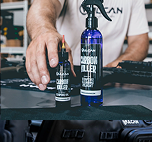
A clean case, paired with a regular cleaning routine using quality solutions, keeps your rifle running smoother and protects your investment.
Abusing Zippers, Straps, and Stitching
Zippers and straps are the first parts to fail when a case is pushed too hard. Forcing an overstuffed zipper puts huge strain on the teeth and track. When a zipper blows out, your case turns into a loose sleeve and your rifle is one slip away from hitting gravel or concrete.
Give your case some breathing room. Do not cram in extra mags, a second rifle, or piles of gear that clearly do not fit. Close the zippers gently, with the fabric relaxed, not bulging.
Watch for early warning signs like:
-
Frayed or loose stitching at handles and strap mounts
-
Zipper tracks separating or misaligned teeth
-
Handles that feel soft, thin, or stretched
-
Shoulder straps pulling away from the body of the case
These are the spots that usually fail in a parking lot, at the range gate, or halfway across a lot when your attention is split.
Carrying habits matter too. Overloaded shoulder straps and tiny grab loops increase the odds of a drop from the truck bed or tailgate. Use strong, reinforced handles and share the weight between hand carry and shoulder carry when possible. Some shooters cut down on heavy carrying completely by using secure vehicle racks or magnetic mounts inside the truck, then the soft case is only for short moves.
Upgrade Your Carry Plan Before Your Next Trip
Many shooters trust a soft-sided rifle case, but small mistakes in case choice, packing, and storage quietly eat away at protection. A few smart changes can keep your rifle and optic ready, trip after trip.
Take a few minutes to inspect your current setup. Check the padding, seams, and zippers. Clean out the inside, look for any signs of moisture, and separate your rifle from loose gear. Measure your rifle, think about how and where you travel with it, and adjust your carry plan so the case is doing its job instead of barely hanging on.
At VULCAN Arms, we care about keeping rifles safe, secure, and ready for that next clean shot. A well-chosen soft-sided rifle case, paired with weather-minded gear and solid cleaning habits, turns every ride to the range or the woods into a lot less stress and a lot more confidence when you crack that case open.
Protect Your Firearms With Reliable, Travel-Ready Storage
When you are heading to the range or packing for a hunt, the right case can make all the difference in keeping your rifle secure and ready to perform. At VULCAN Arms, we design every soft-sided rifle case to balance protection, portability, and quick access. Explore our options today to find the fit, features, and durability your setup deserves. Equip your firearms with dependable carry solutions so you can focus on your next shot, not your gear.
Share:
When a Waterproof Rifle Case Soft Shell Beats a Hard Case
When a Waterproof Rifle Case Soft Shell Beats a Hard Case