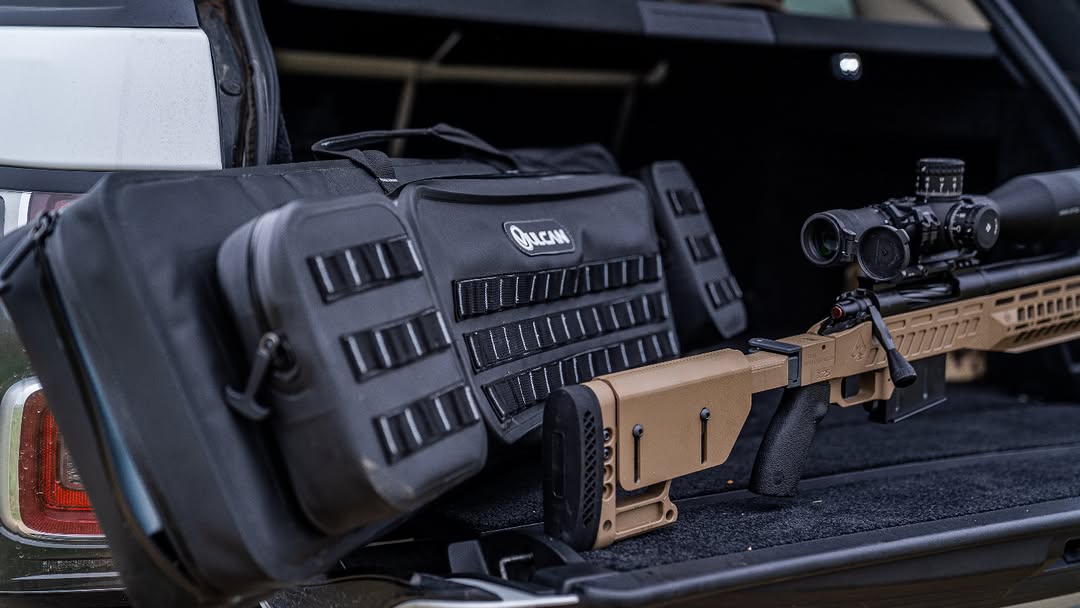






Rifle cases are not just bags to haul your gun from the house to the range. They are part of your defensive system, right alongside your optic, light, and sling. When the heat cranks up and you are driving to a summer class or heading out for a long hunt, the way you store and carry your rifle can decide whether it runs clean or fails when you press the trigger.
We have seen it over and over: someone unzips a case at a class or camp, spots rust on the barrel, fresh dings in the optic, or a rail screw that has backed out. The rifle “lived” in a case, so they thought it was safe. That false sense of security is what we want to fix. We are going to walk through the most common rifle case mistakes that put your firearm at risk and how to avoid them so your rifle is ready when it actually matters.
Stop Treating Your Rifle Case Like Just a Box
A lot of gun owners think, “My rifle is in a case, so it is protected.” Then they open that case right before an important summer training day and see rust spots, dings on the stock, or an optic that clearly took a hit. The case did not fail on its own. The way it was chosen, packed, and stored set it up to fail.
Your rifle case is not just a transport container. It is protective gear. For defense-focused owners, that gear needs to work under heat, sweat, rain, road dust, and daily bumps. Here are the risks we see all the time:
-
Hot cars during July road trips
-
Humid basements and closets
-
Dusty ranges and dry fields
-
Quick grabs in and out of vehicles
All of that stacks up. At VULCAN Arms, we think about rifle cases for real-world use, not just “range toys.” That starts with choosing the right case for how you actually live and train.
Choosing the Wrong Rifle Case for How You Actually Use It
Many owners buy a rifle case the same way they grab a gym bag, whatever looks good and seems roomy enough. That leads to three big problems.
One-size-fits-all thinking:
-
A case that is too short forces pressure on the muzzle or stock
-
A case that is too shallow crushes optics, turrets, and offset mounts
-
Soft sides can flex so much that your rifle shifts and bangs every time you brake or turn
If you run optics, lights, suppressors, or loaded mags, a generic “one size” case can put stress on mounts and sights every time you move the gun. Over time, that can mean lost zero and loose hardware.
Ignoring environment and season is another common mistake. July heat in a car, even in shade, can be brutal. Thin, non-sealed rifle cases let:
-
Moist air soak into foam
-
Sweat and rain stay trapped on metal
-
Dust and grit slide right through zippers and seams
That mix speeds up corrosion and can foul switches and electronics.
Then there is security and access. Flashy “tactical” bags with big logos and MOLLE all over them can scream “rifle inside” to anyone walking past your vehicle or hotel room. Discreet, lockable hard cases and sealed designs that do not shout “gun” give you:
-
More privacy in public spaces
-
Better protection from random snooping
-
Controlled, fast access when you actually need the rifle
Packing Your Rifle Case in Ways That Guarantee Damage
Even a quality case can fail if you pack it badly. Tossing the rifle inside and zipping up is a fast way to slowly wreck your gear.
Loose rifles and shifting accessories let the gun slide and twist. On a summer highway with rough roads, that means:
-
Scratched finishes and worn edges
-
Dinged turrets and bent iron sights
-
Stress on handguards, stocks, and QD mounts
Cramming too much gear in with the rifle makes things worse. When mags, tools, knives, and loose ammo roll around next to your rifle, sharp edges and metal corners act like tiny hammers. They can:
-
Chip lenses and optic housings
-
Chew up rails, stocks, and charging handles
-
Create unsafe conditions if live rounds get jammed in odd places
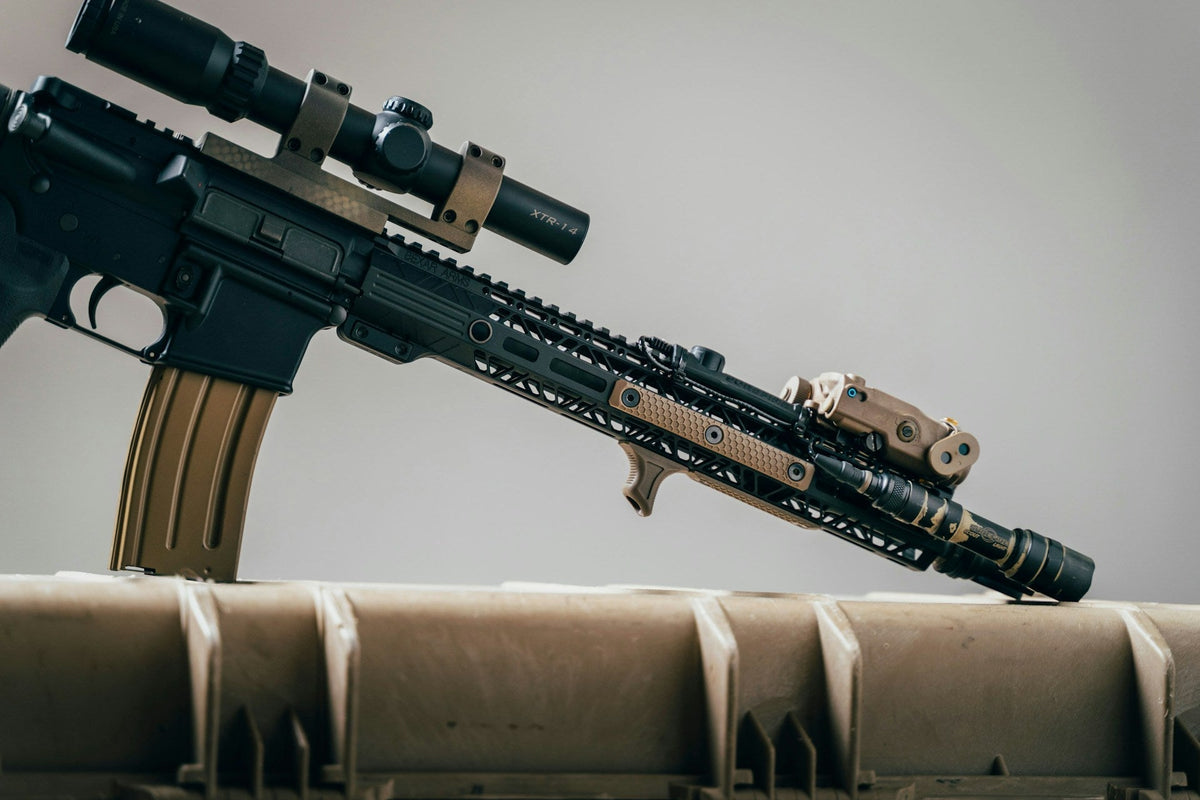
Rifles with red dots, LPVOs, IR lasers, and white lights need real support. That means:
-
Cut foam that cradles the gun instead of fighting it
-
Padded sleeves or dividers for optics and sensitive parts
-
Straps that hold everything in place without crushing knobs or caps
We also like using secure magnetic mounts at home or in the safe room for staging before and after trips. When the rifle is parked on a mount while you load mags or prep gear, you are not dropping it in and out of a case a dozen times, which cuts down on handling damage.
Underestimating Moisture, Heat, and Everyday Wear
Heat and moisture are quiet killers. After a hot range day, many people stuff a sweaty rifle straight into a closed case and toss it in a car or closet. Inside that dark, sealed space, you just built a tiny rust factory. Foam and fabric hold:
-
Sweat, rain, and condensation
-
Salts from your hands
-
Oil and carbon from the last shooting session
If the case is not built to deal with humidity, that moisture sits against bare metal, small springs, and pins.
Now add temperature swings. When a case bakes in a trunk or truck bed, cheap plastics can warp. Adhesives used in poor-quality foam can soften. Lube can thin out and run where you do not want it. Over time, you may see:
-
Misaligned foam that presses on your optic or muzzle
-
Gaps that let the rifle move and rattle
-
Case shells that twist just enough to put weird pressure on the gun
That is why we pay so much attention to WeatherLock-style protection, with sealed, gasketed designs. For defense-focused owners who stage rifles in vehicles, closets, or damp basements, resisting water, dust, and fast temperature changes is not a luxury. It is peace of mind.
Forgetting That a “Clean” Rifle Case Can Still Be Dirty
A rifle case can look fine from the outside and still be loaded with junk on the inside. Every trip to the range brings in:
-
Dust, sand, and small rocks
-
Carbon flakes and unburned powder
-
Bits of brass and torn target backers
Soft cases that double as shooting mats pick up even more grit. Those tiny particles grind into finishes and can work their way into actions and triggers.
A simple care routine helps a lot:
-
Wipe down interior fabric and hard surfaces
-
Vacuum foam to pull out dust and loose debris
-
Check for soaked spots from oil or solvent
-
Look for frayed fabric that traps dirt and holds moisture
Gun cleaning should match case cleaning. Use quality cleaning solutions on the rifle first, then return it to a case that is not re-contaminating your hard work. Over time, old oils, solvent fumes, sweat, and mud can slowly break down foam and stitching. A case can still zip while the inside is falling apart, so inspect it and be willing to retire it if it is worn out.
Protect Your Rifle Like Your Life Depends on It
Rifle cases are part of your overall defensive setup, not an afterthought or fashion piece. Take a few minutes to audit your current case. Check: fit with your full rifle setup, interior padding and support, how it handles moisture and heat, and how clean it really is inside. Small upgrades in these areas can mean a big jump in reliability.
At VULCAN Arms, we build gear with defense-focused owners in mind, from WeatherLock protective cases to magnetic mounts and cleaning solutions that all work together. When you pair a properly sized, sealed rifle case with disciplined cleaning and organized storage between trips, you give your rifle the best chance to run on demand, whether you are on a summer road trip, a hot range line, or standing in your own hallway in the dark.
Protect Your Firearm With Reliable, Field-Ready Storage
Keep your rifle secure, organized, and ready for action with our rugged rifle cases designed to handle real-world conditions. At VULCAN Arms, we build our cases to guard against impact, moisture, and dust so your gear stays mission-ready wherever you go. Choose the configuration that fits your setup and experience the difference of purpose-built protection. If you have questions about sizing or features, we can help you match the right case to your rifle.
Share:
How to Set Up a Safe Indoor Gun-Cleaning Station: Ventilation and Odor Control
How to Set Up a Safe Indoor Gun-Cleaning Station: Ventilation and Odor Control